Winter can be tough on your roof, but knowing how to protect and maintain it during the colder months can save you time and money. At Risner Roofing, we’ve compiled answers to the most frequently asked questions about roof replacements and repairs during the winter.
What Is the Winter Roof Inspection Process Like?
One of our expert technicians begins by inspecting your roof for:
We also inspect your home for interior leaks to ensure we catch every issue, inside and out. If we identify a problem, we’ll provide a detailed report and suggest the best course of action to prevent further damage.
- Exposed nails
- Lifted shingles
- Damaged flashing or vents
How Long Do Winter Roof Repairs Take?
The timeline for repairs depends on factors such as the severity of the issue, your roof’s pitch, and its height. Here’s the good news: once you approve our quote, we often start repairs the same day! Our repair process includes:
For added protection, we spray-paint pipes and vents to ensure they’re sealed against the elements.
- Fixing leaks
- Replacing damaged flashing and shingles
- Sealing fasteners and caulking penetrations
Can You Replace a Roof in Winter?
Yes, but there’s a catch. Roof replacements can be performed as long as the temperature is above 45°F. Below that, materials like shingles become stiff and brittle. Our team carefully plans replacements around the weather to ensure quality results no matter the season.
Is My Home Warmer with a New Roof?
Your home’s warmth can be influenced by shingle color, with darker colors retaining more heat. However, proper ventilation and insulation are critical to keeping your home warm in winter and cool in summer. Our experts can help you assess and improve these factors during your roof inspection.
Should I Worry About Snow on My Roof?
If your roof is properly installed and flashed, snow accumulation shouldn’t be a problem. However, you should be concerned if you notice:
- Discoloration in interior sheetrock
- Lifted or missing shingles
- Areas of accumulated leaves and debris
- A roof older than 10 years
- Overflowing gutters or excessive icicle formation
How Can I Protect My Roof from Ice Dams?
Ice dams are a common winter issue that can lead to leaks and damage. Prevent them with these steps:
- Improve Attic Ventilation: Proper airflow keeps your roof at a consistent temperature, reducing condensation and ice dam formation.
- Insulate Your Attic: Minimize heat loss to prevent uneven snowmelt.
- Clean Your Gutters Regularly: Clear gutters ensure proper drainage and prevent water from freezing.
- Install Ice and Water Barriers: For vulnerable areas like eaves and intersections, protective barriers can be added during roof maintenance.
What Happens If I Delay Winter Roof Repairs?
Delaying repairs can lead to worsening leaks, structural damage, and higher repair costs down the line. Addressing issues promptly prevents small problems from becoming major headaches.
What Are the Signs of Poor Ventilation in Winter?
Poor ventilation can lead to several issues, including:
- Frost accumulation on the underside of the roof
- Inconsistent heating throughout the home
- Faster roof ice melting compared to neighboring homes, indicating energy loss
Do Roofing Materials Handle Winter Weather Differently?
Most roofing materials are designed to withstand winter temperatures. However, metal roofs tend to perform better in colder climates due to their durability and ability to shed snow. Shingles can also handle winter weather but may become brittle in extreme cold. Note that northern states often have specific roofing codes for ice protection, which may require different materials.
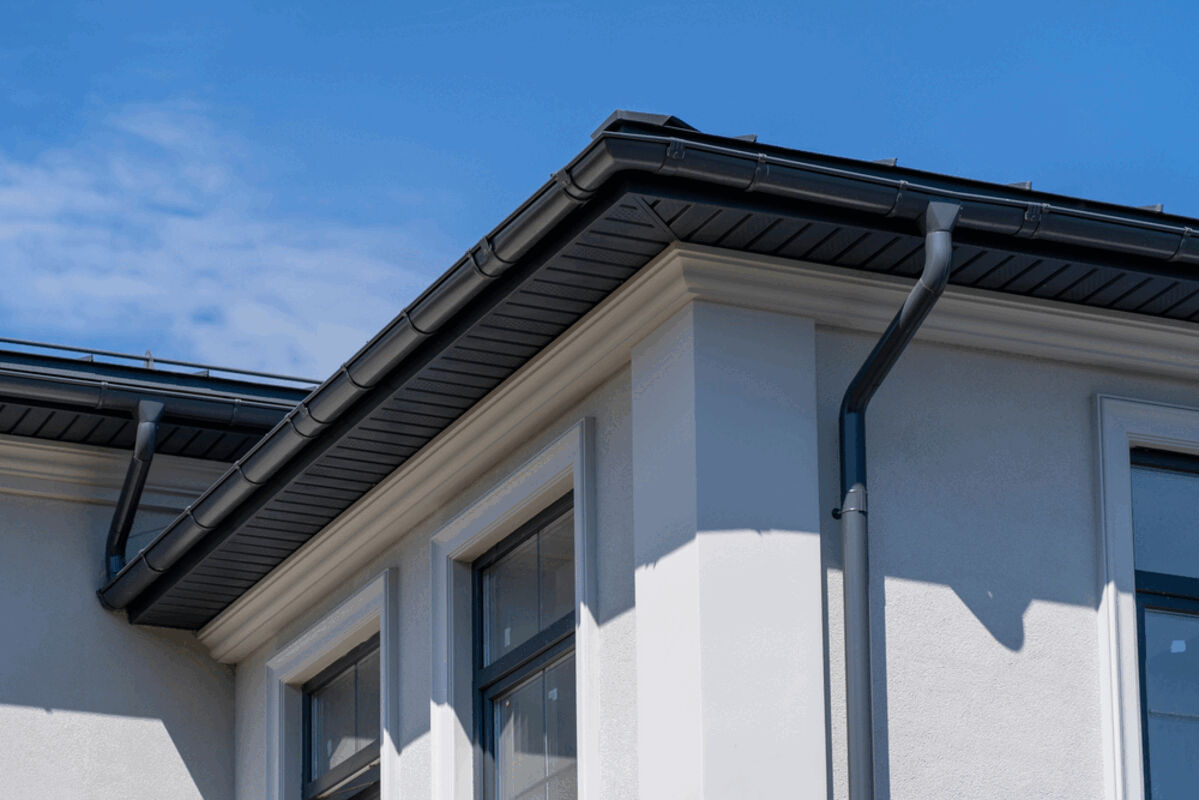
What Can I Do About Overloaded Gutters in Winter?
If your gutters are overloaded and frozen, it’s often a sign that maintenance was delayed. Prevent this by:
Proper gutter maintenance ensures water drains correctly, reducing the risk of ice dams and damage.
- Cleaning your gutters in the fall
- Installing gutter guards to minimize debris buildup
Are Rodents and Critters a Winter Roofing Concern?
Yes, animals like rodents and birds are more likely to seek shelter in your roof’s eaves, crevices, and soft areas during winter. If these areas aren’t sealed, critters can cause long-term damage and even infest your home. A thorough roof inspection can identify and address these vulnerabilities before they become a bigger problem
Subscribe to Risner Roofing's Blog


Comments